


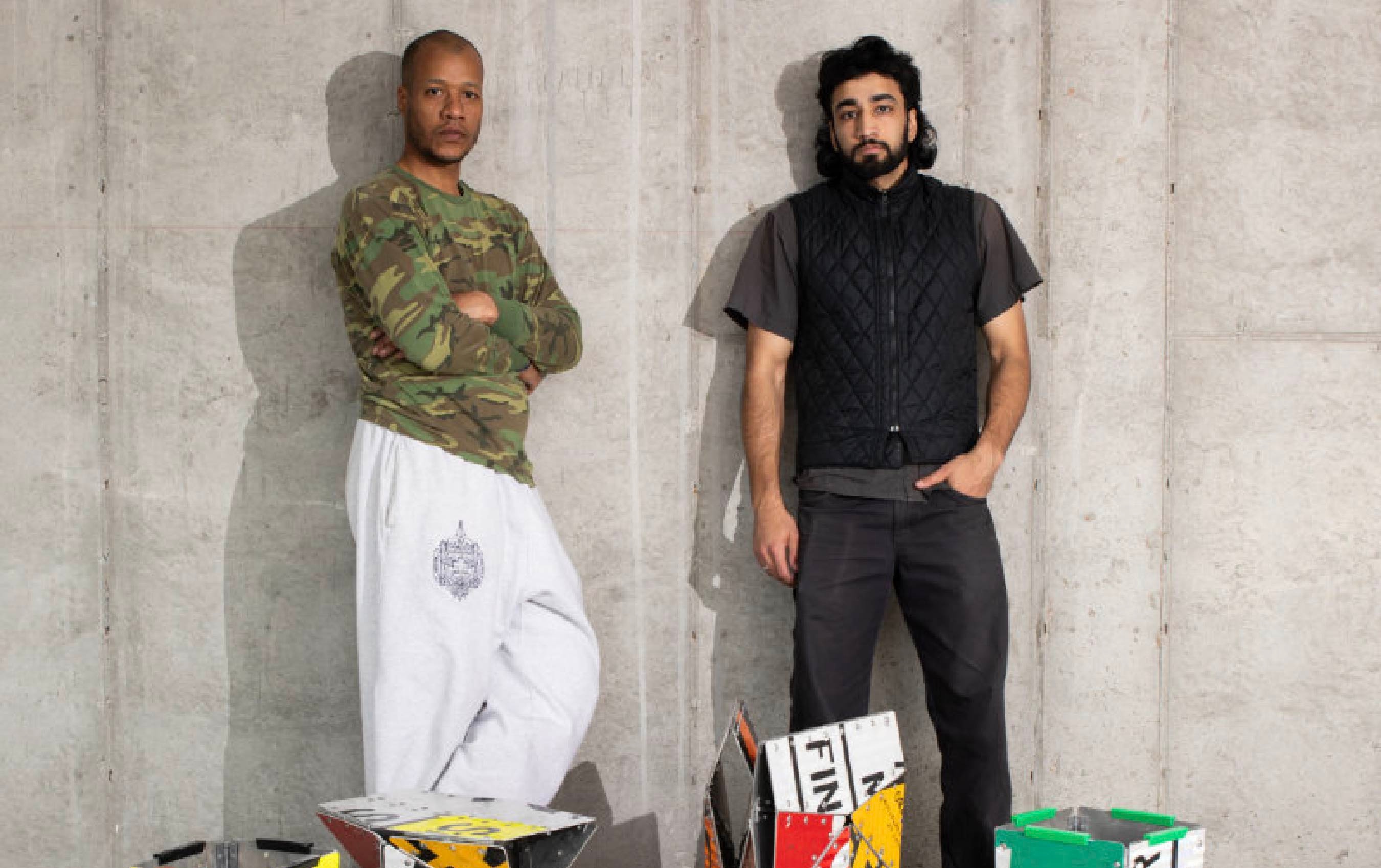
Heron Preston’s L.E.D. Studio has partnered with designer and fabricator Rishi Assar to introduce the L.E.D. KARTN Chair, a furniture project that reimagines discarded New York City road signs as functional seating. Rooted in ideas of reuse, craftsmanship and urban storytelling, the collaboration extends Preston’s ongoing exploration of waste as a creative resource.
The project sits within the wider framework of L.E.D. Studio, Preston’s experimental platform dedicated to transforming overlooked materials into new forms. Across fashion, art and industrial design, the studio has consistently challenged conventional production methods by finding value in what is often discarded. The approach echoes earlier projects involving artists and makers such as Matt Pecina and Gustavo Barroso, while also connecting to Preston’s broader sustainability-focused practice. Notably, invitations for his Fall/Winter 2023 New York Fashion Week presentation were produced using debris collected directly from city streets.
For the KARTN Chair, Assar sourced authentic city-issued road signs from across New York. Familiar markers including Stop, School Crossing, Detour and Speed Bump signs form the foundation of each piece, preserving visual elements that are instantly recognisable to residents and visitors alike. Rather than concealing the material’s original purpose, the design celebrates its history, allowing traces of the city to remain visible throughout the finished object.
The production process combines industrial precision with hand-crafted assembly. Aluminium signs and structural hinges were cut and perforated using an OMAX abrasive waterjet cutting system, a technology typically used to manufacture highly detailed metal components. Once processed, the pieces were arranged and assembled within the Heron Preston studio, where different sign fragments were combined to create unique chair configurations. Each chair was then completed by hand, with solid rivets secured to custom hinges using professional air-powered and hydraulic riveting tools.
The result is a collection that blurs the boundaries between public infrastructure, sculpture and everyday furniture.


